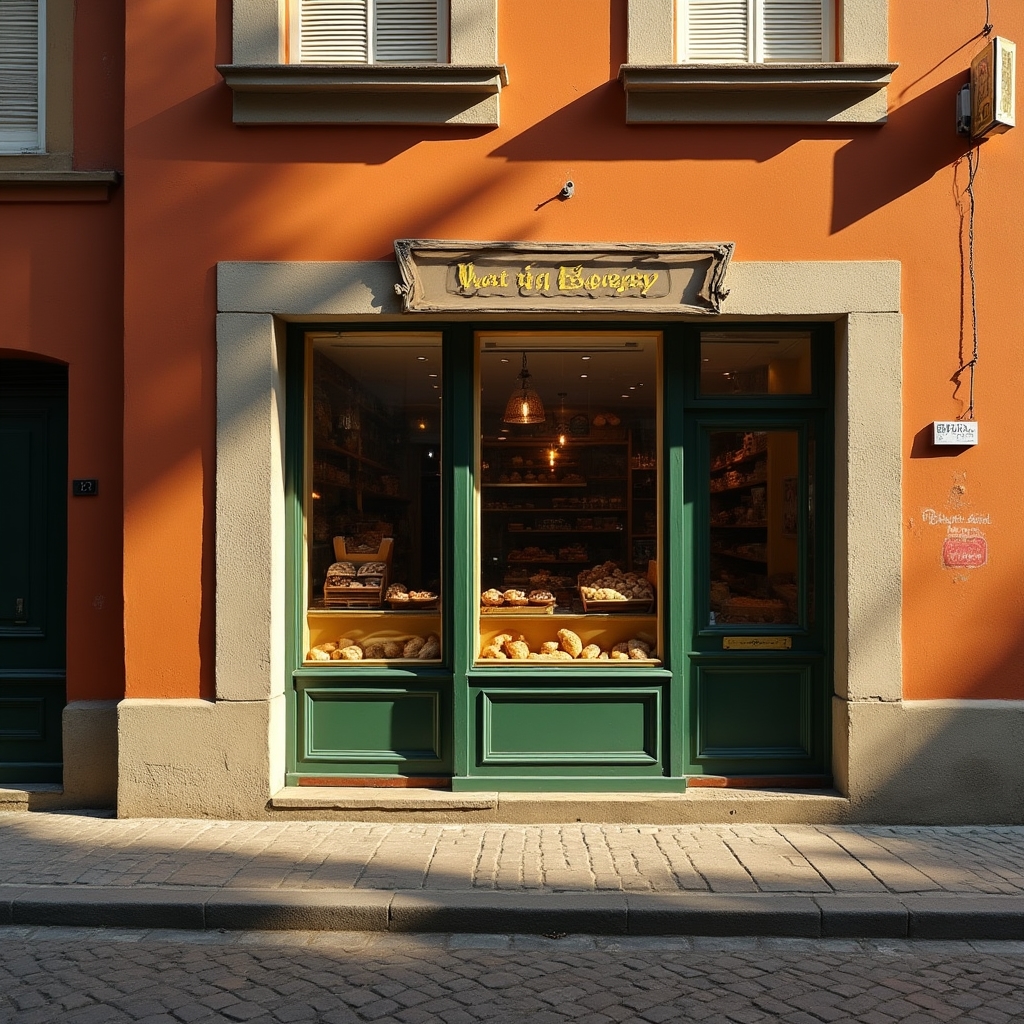
Scope 1, 2 and 3, explained through a bakery
We use a fictional bakery, Pekárna Vltava, to show where each type of emission actually comes from, from the gas oven to the flour delivery truck.
Read the example Yavida
Where to start
Each guide covers one piece of the puzzle, written for people who run a business, not an environmental department.
We use a fictional bakery, Pekárna Vltava, to show where each type of emission actually comes from, from the gas oven to the flour delivery truck.
Read the exampleA neutral comparison of free calculation tools, what each one covers well, and where its numbers get shaky.
Compare toolsThe reporting directive explained using publicly available EU documents, including who it applies to and the phased timeline.
Read the timelinePractical first steps for gathering utility bills, fuel logs and supplier information without hiring anyone yet.
See the starter guideWe don't prepare sustainability statements, submit filings, or certify compliance with CSRD or any other regulation. Every page here is educational material meant to help you understand terms, tools and timelines before you decide what your business needs next.
Read our scopeThe three scopes, one bakery
Pekárna Vltava is a small, imagined bakery near Most with one shop, four staff and a single delivery van. We'll refer back to it throughout this site because concrete examples make abstract categories click.
 Scope 1
Scope 1 covers emissions the bakery creates directly, on its own site or with its own vehicles. For Pekárna Vltava, this means the natural gas burned in the deck ovens every morning and the diesel burned by its single delivery van doing the rounds to three cafés in Most. If the business burns the fuel itself, it belongs in Scope 1.
 Scope 2
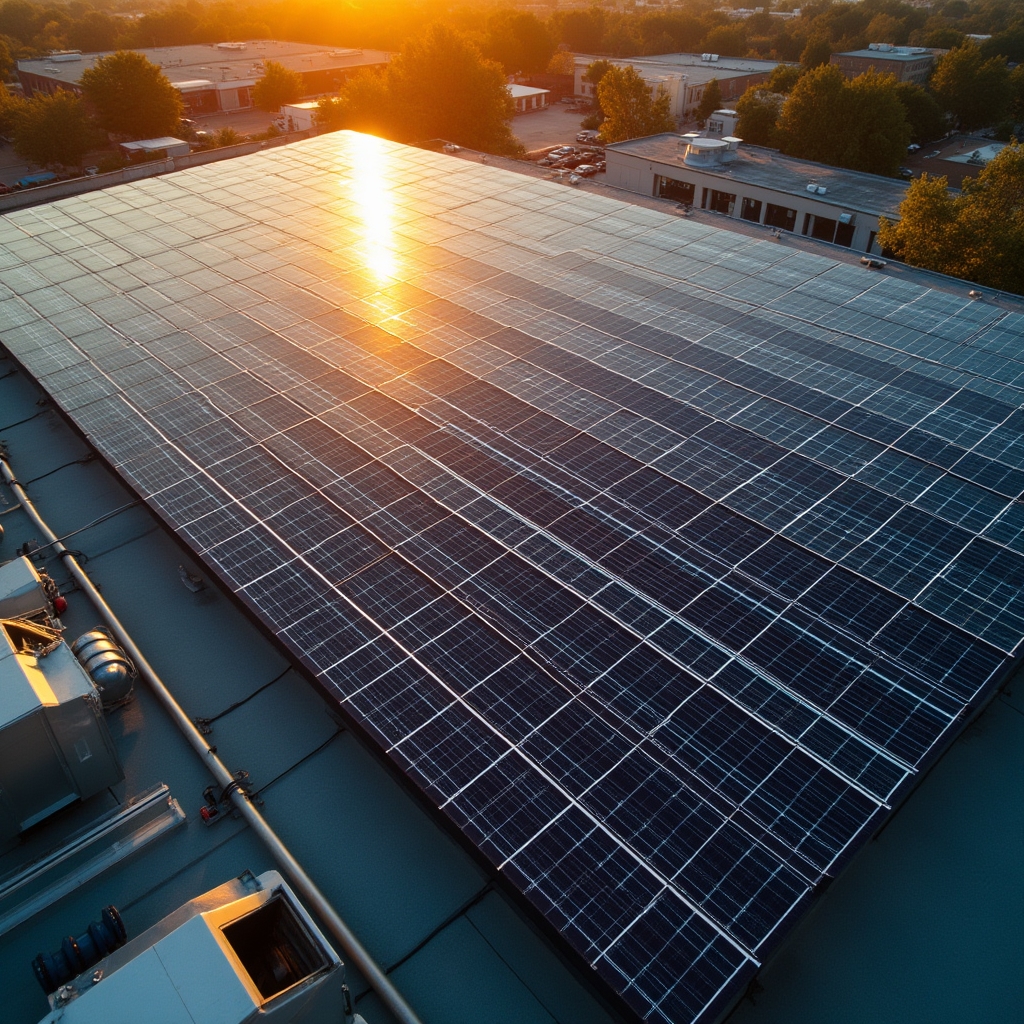
Scope 2 covers emissions created elsewhere to produce the energy the bakery buys. For Pekárna Vltava, this means the electricity pulled from the grid to run mixers, proofing cabinets, walk-in fridges and shop lighting. The bakery never sees these emissions happen, but its electricity bill is the reason they exist.
 Scope 3
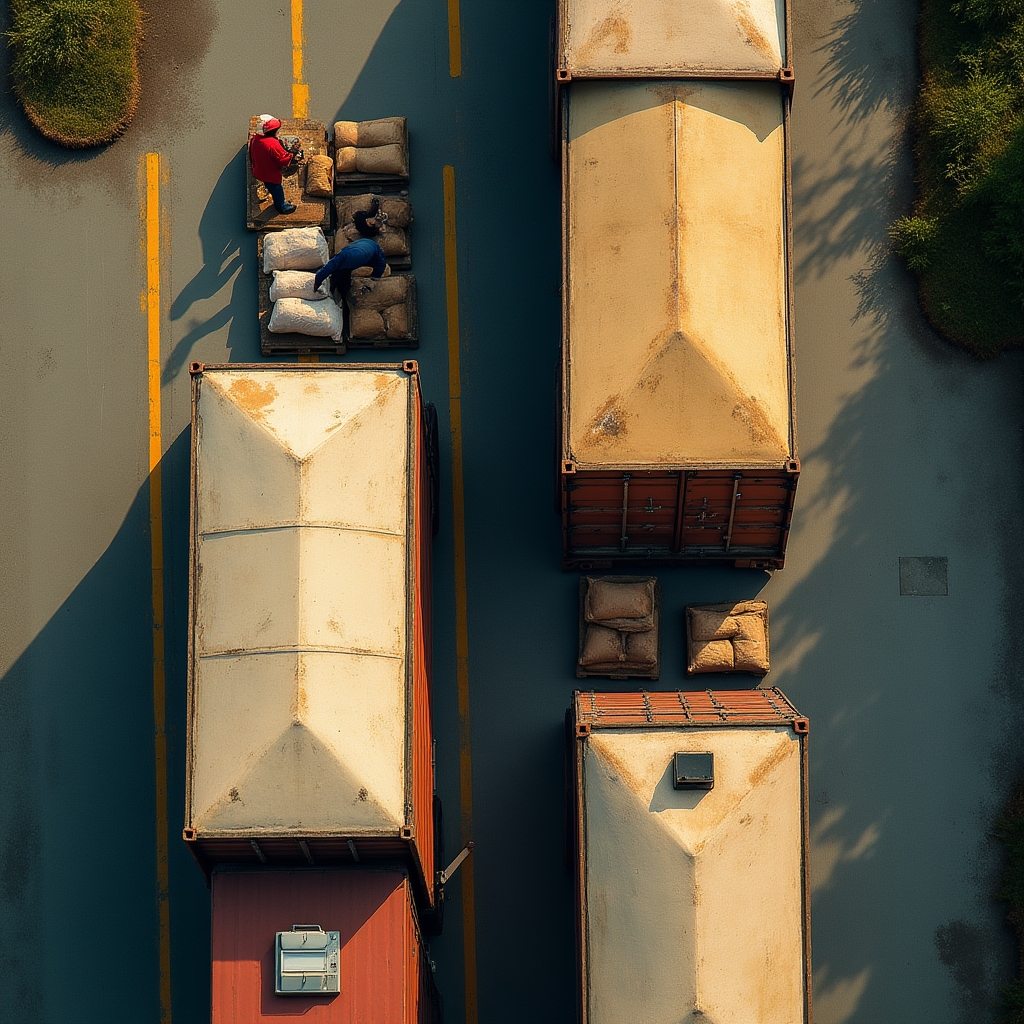
Scope 3 covers emissions connected to the bakery but produced by other companies or people, upstream and downstream. For Pekárna Vltava, this means the milling and transport behind every sack of flour, the cardboard boxes from a packaging supplier, staff commuting, and customers driving to collect a birthday cake. It is usually the largest and hardest category to estimate.
Most Czech SMEs preparing for CSRD start with Scope 1 and Scope 2, because that data sits inside bills they already receive. Scope 3 tends to come later, once a business has a full year of Scope 1 and 2 figures to compare against.
Six common questions
It depends on size and, in some cases, listing status. The Corporate Sustainability Reporting Directive applies in phases, starting with large public-interest companies and gradually reaching smaller entities. Whether a specific business is in scope depends on balance sheet total, turnover and employee count, criteria defined in the EU Accounting Directive. Because these thresholds and dates have been subject to revision, we recommend checking the current text on EUR-Lex or guidance from the Czech Ministry of Finance rather than relying on any single source, including this one.
A calculator produces an estimate of emissions for your own understanding. CSRD reporting is a formal disclosure prepared under the European Sustainability Reporting Standards, often requiring external assurance. A free calculator can be a useful starting point for internal awareness, but it is not a substitute for a structured sustainability statement.
It depends what you need them for. Most free tools are reasonable for internal benchmarking and building awareness. Fewer hold up well once external assurance or formal disclosure is involved, because their emission factors, boundaries and update schedules vary considerably between providers.
For much of Scope 1 and Scope 2, yes. Utility bills, fuel receipts and vehicle logs already exist inside most businesses. Scope 3 usually needs cooperation from suppliers, but starting with your largest few is a reasonable first move, well before any consultancy conversation.
No. This site provides educational guides only. We do not draft sustainability statements, submit filings on your behalf, or certify compliance with CSRD or any other framework.
The figures used on our estimator page reflect simplified, publicly published emission factor ranges for grid electricity, natural gas and road fuel combustion. They are illustrative rather than authoritative, and should not be used for a formal disclosure without checking a verified, current source.
Guides worth reading in order